

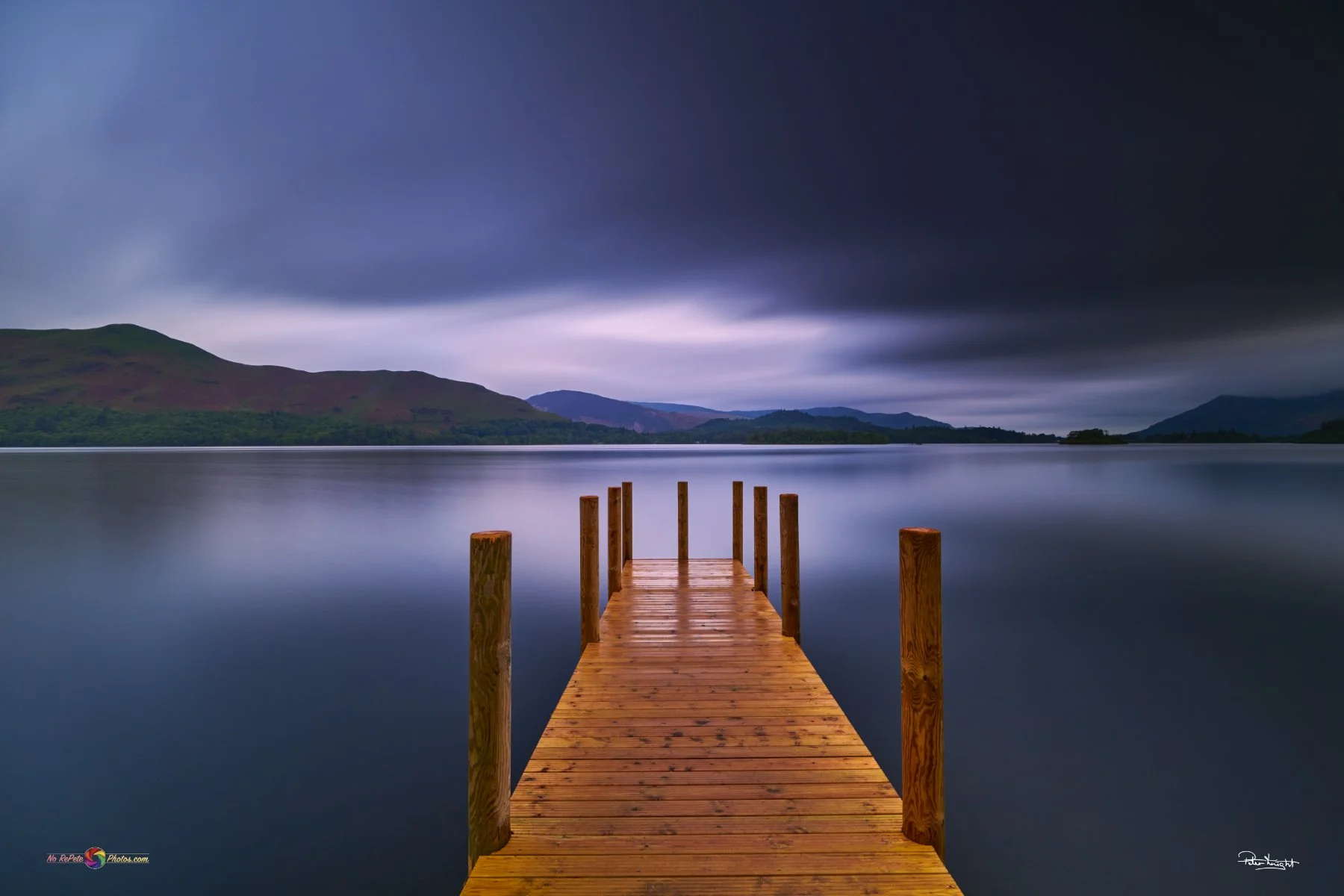
Don’t Put All Your Eggs in One Basket: The Importance of Having a Photography Plan
Don’t Put All Your Eggs in One Basket: The Importance of Having a Photography Plan
One of the most valuable lessons I learned when I first started photography was never to rely on a single plan. Landscape photography, in particular, is heavily influenced by factors outside our control. No matter how much research you do, the weather, light, tides, water levels, and cloud formations can change in an instant.
In my early days, I would spend hours planning a single location. I would study weather forecasts, cloud cover, sunrise and sunset times, tide movements, and even the likely position of the sun. Everything would revolve around capturing one specific image. The problem was that if conditions didn't match my expectations, the entire trip could feel like a disappointment.
Today, my approach is very different. Whenever I head out with my camera, I plan multiple locations and alternative subjects. Having several options available means I can adapt to changing conditions and still come home with photographs I'm proud of.
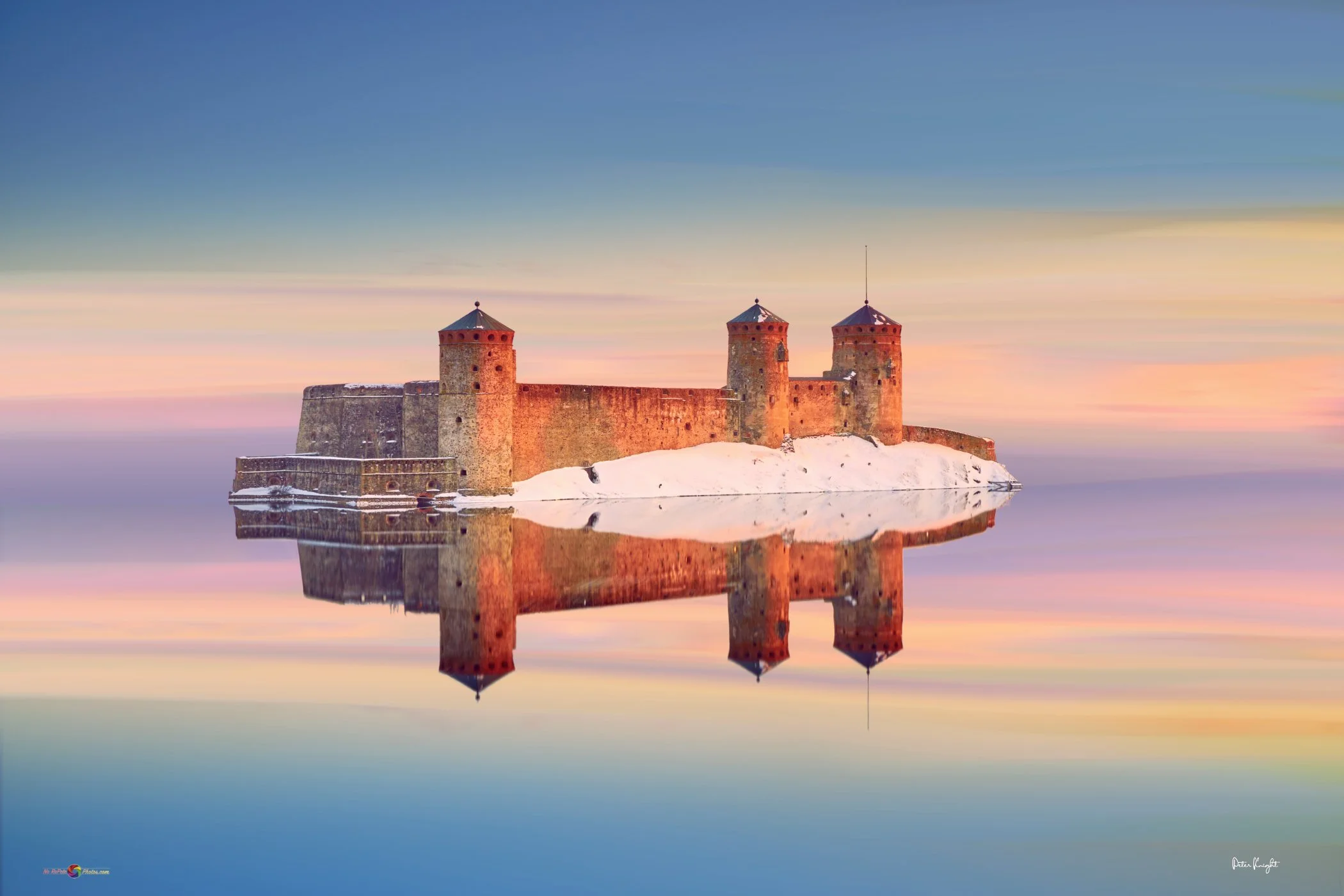
When Is Photography Considered Art? A Deeper Look at Creativity, Intention, and Expression
The question “When is photography considered art?” surfaces more frequently than many might expect. Despite photography’s long history and its undeniable influence on culture, a surprisingly large number of people still hesitate to describe it as art in the same way they would refer to painting, sculpture, or illustration. Even more commonly, people resist the idea that a photographer has the artistic right to alter their images, whether through editing, reframing, or compositing.