When Is Photography Considered Art? A Deeper Look at Creativity, Intention, and Expression
The question “When is photography considered art?” surfaces more frequently than many might expect. Despite photography’s long history and its undeniable influence on culture, a surprisingly large number of people still hesitate to describe it as art in the same way they would refer to painting, sculpture, or illustration. Even more commonly, people resist the idea that a photographer has the artistic right to alter their images, whether through editing, reframing, or compositing.
This hesitation often stems from a deeply ingrained belief: that a photograph should remain untouched so that it may represent “the truth.” The camera, in the eyes of many, is assumed to be an objective recording device, an impartial witness to the world. And to some extent, this is understandable; photography, since its invention, has been heavily associated with documentation, journalism, and evidence.
But this assumption doesn’t hold up under scrutiny. Two photographers can stand in the same location, at the same moment, photographing the same subject, and yet create two entirely different images. A slight shift in angle can change the story. A different lens can alter the feeling. The choice of what to include or exclude, can transform the meaning.
Even before we consider editing or post-processing, the photograph has already passed through the photographer's creative choices. Every frame is shaped by intention. And this, fundamentally, is where the artistic nature of photography begins.
The Artistic Dilemma: Truth vs. Interpretation
To understand when photography becomes art, we must dispel the myth that photographs represent absolute truth. Photography is inherently interpretive. It does not merely capture reality, it frames it.
Consider a landscape scene. One photographer might place the horizon low to emphasize a dramatic sky filled with movement and mood. Another might position the horizon high to focus on the texture of the earth, the curve of a hill, or the presence of human structures. Both images are true in a technical sense, yet both are vastly different artistic expressions.
Now imagine portrait photography. A subject can look powerful or vulnerable depending on where the light falls. A slight change in expression can shift the emotional tone. The photographer's choices about timing, lighting, angle, lens, and focus all contribute to shaping a narrative. Even without post-processing, photography is never neutral.
This brings us to a key idea: the moment a photographer makes a conscious choice, they begin to create art.
Photography as Artistic Expression
For me, photography becomes art when the intention behind the image moves beyond documentation. Art emerges when the photographer seeks to convey a creative vision, a message, a mood, or an emotional response. It is about storytelling, sometimes subtle, sometimes bold, and about using the medium to interpret the world rather than merely record it.
Much like a painter chooses colours and brush strokes, photographers choose composition, timing, lighting, and perspective. They decide what to reveal and what to obscure. They determine how they want the viewer to feel.
Fine-art photography differs from commercial, scientific, or journalistic photography in its purpose. While commercial work aims to sell a product or service, and journalism strives to inform, fine-art photography exists primarily to express. It leans into subjectivity rather than objectivity. The image is created not because it is useful, but because it is meaningful.
The Role of Editing in Artistic Photography
Another point of tension is the idea that editing somehow corrupts the authenticity of a photograph. However, editing has always been part of photography. Even in the darkroom era, photographers dodged and burned prints, adjusted exposure, cropped images, and selected specific development processes. These choices shaped how the viewer interpreted the image.
Digital editing continues this tradition, it simply gives us more nuanced, flexible tools.
Editing isn’t about deceiving the viewer (unless deception is the intended artistic effect). Instead, it allows the photographer to refine their vision: to enhance mood, emphasize particular elements, control colour, and shape the emotional resonance of the image. In this way, post-processing becomes another brush in the artist’s toolkit.
When viewers object to editing, what they’re really resisting is the idea that photography can be both truthful and expressive. But the truth is that all photographs are interpretations. Editing simply makes that interpretation more intentional.
Key Factors That Define Photography as Art
While art is inherently subjective, several qualities commonly distinguish artistic photography from simple snapshots or commercial imagery. These factors help us better understand the difference between imagery that merely records a moment and imagery that aims to provoke thought, emotion, or reflection.
1. Creative Vision and Intent
At the core of artistic photography lies intent. The photographer begins with a vision, a specific message, idea, or emotional tone they want to communicate. Sometimes this vision is meticulously planned. The photographer might sketch out concepts, plan lighting, or visit a location multiple times waiting for the perfect conditions. Other times, the vision develops intuitively in the moment.
Regardless of the approach, what matters is that the image is created with purpose. The photographer is not just clicking the shutter; they are crafting a viewpoint.
2. Aesthetic Intention
Artistic photography is shaped by the desire to create something visually or emotionally compelling. The goal is not simply to show what something looks like, but to reveal what it feels like. An image might be designed to evoke calmness, tension, nostalgia, wonder, or discomfort.
This aesthetic intention may be subtle or dramatic. It may rely on colour, contrast, shadows, symmetry, or abstraction. But it always moves the image beyond basic representation.
3. Skill and Technique
Just as a painter must master brushwork or a sculptor must understand form, photographers must develop both technical and creative skills. Mastery of exposure, lighting, focus, depth, colour, and composition plays a crucial role in shaping an image that resonates.
Technical skill alone does not make art, but it provides the foundation that enables artistic decisions to be executed with clarity and impact.
In artistic photography, technique becomes a language. The photographer uses the technical aspects of the medium to communicate emotion, mood, or narrative.
4. Emotional Expression
Art is often defined by its ability to evoke emotion. A powerful photograph can stir nostalgia, empathy, awe, curiosity, or even discomfort. It can challenge our assumptions, provoke conversations, or encourage self-reflection.
The emotional impact of an image is often what distinguishes fine-art photography from simple snapshots. The photograph becomes a vessel for human creativity, personality, and lived experience.
5. Originality and Concept
Artistic photography thrives on originality. This doesn’t necessarily mean that the subject must be unusual, many photographers find profound beauty in ordinary scenes. Instead, originality arises from how the photographer conceptualizes and presents their subject.
A strong concept gives depth to the work. It might explore social issues, personal identity, environmental change, historical themes, or imaginative narratives. The best fine-art photography brings the viewer into the photographer’s world, allowing them to experience a familiar subject in an entirely new way.
6. Creative Control
Finally, artistic photography involves a high degree of creative control. The photographer shapes the image throughout the entire process, from planning and capturing to editing and presenting. They make deliberate choices that influence the final result, similar to how painters decide on palette and brush strokes.
Even in the earliest days of photography, creative manipulation was integral to the craft. Darkroom techniques allowed photographers to shape contrast, exposure, and tone. Today, digital tools offer even greater potential for expression.
Creative control is not about perfection; it is about intention. Every aspect of the image contributes to the story the photographer wants to tell.
Why the Debate Still Matters
The question of whether photography is art is not simply academic. It affects how society values photographic work, how photographers see themselves, and how viewers interpret the images they encounter. When photography is dismissed as “not real art,” it diminishes the skill, thought, and vision that go into creating expressive imagery.
It also overlooks the vast spectrum within photography, from documentary to conceptual, from raw realism to surreal manipulation. Photography is not limited to any single role. It can document, inform, entertain, persuade, and inspire. It can bear witness to history or create worlds that feel like dreams. It can be functional or profoundly expressive.
The richness of photography lies in its versatility.
So, When Is Photography Considered Art?
Photography becomes art when the photographer uses the camera as a tool of expression rather than mere documentation. It becomes art when intention, emotion, skill, and creative imagination combine to produce an image that resonates with viewers. It becomes art when the photograph is not just a record of a moment, but a reflection of a perspective, a narrative, or a feeling.
In other words:
Photography is art when the photographer chooses to make it art.
Whether through subtle minimalism or bold conceptual work, photography continues to evolve alongside technology and culture. Yet its artistic core remains the same: a deeply human desire to interpret the world and communicate meaning through images.
And in that sense, photography has always been art, sometimes quietly, sometimes boldly, but always powerfully.
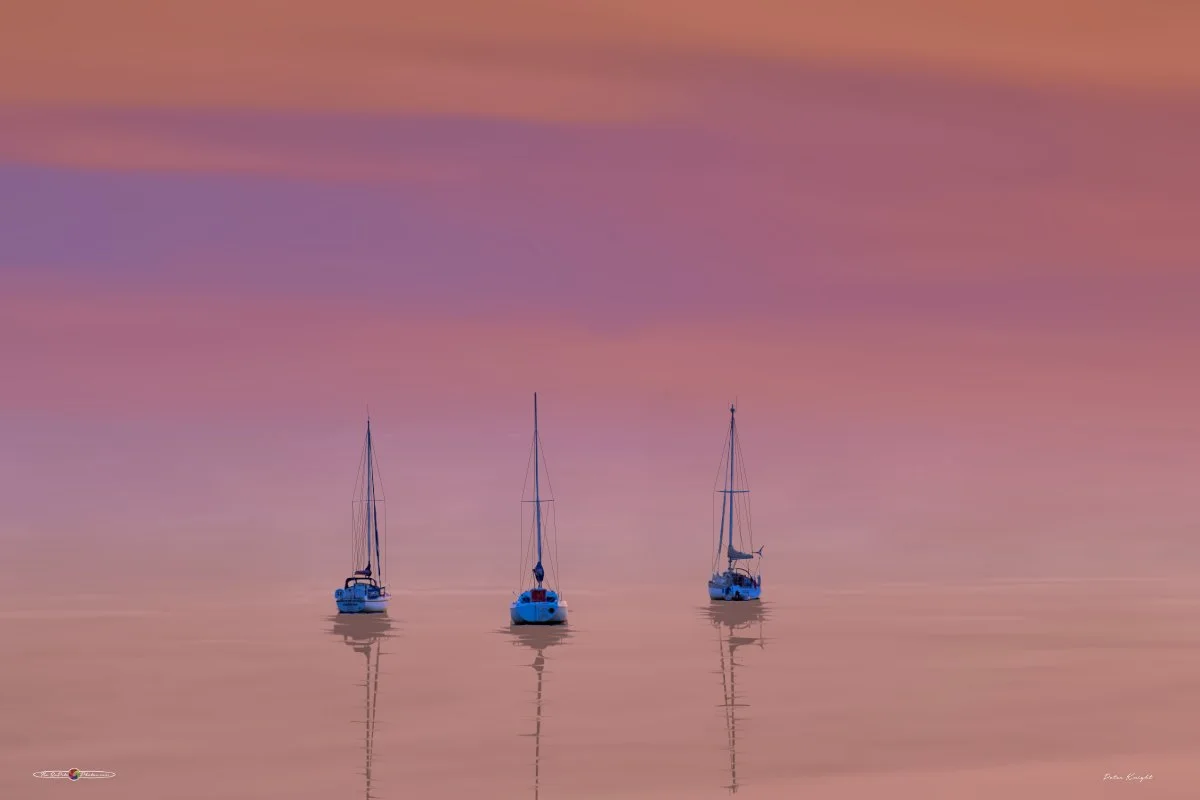
Three Sailing Friends